Home Depot's Q2 earnings reveal shifting consumer priorities in home improvement. Discover what the sales trends, transaction data, and cautious outlook tell us about the market's future.
Home Depot's latest quarterly earnings call wasn't just another corporate update. It gave us a fascinating, real-time snapshot of where the American home improvement market is heading. And honestly, some of the trends they revealed might surprise you.
Let's dive in and see what the numbers are really telling us. It's a story about shifting consumer priorities, changing spending habits, and how a retail giant is navigating a tricky economic landscape.
### The Big Picture on Consumer Spending
The headline numbers get the attention, but the real story is in the details. Sales figures showed a slight dip compared to last year. That's not shocking given the economic climate, but the *why* behind it is more interesting.
It seems folks are still spending on their homes, but they're getting more selective. Big-ticket, discretionary projects are taking a backseat. Instead, customers are focusing on smaller, necessary repairs and maintenance. Think fixing a leaky faucet instead of remodeling the entire kitchen.
This pivot tells us something important. The 'nesting' trend from the pandemic era is evolving. People aren't necessarily investing less in their homes, but they're investing *differently*. They're prioritizing function over flash, value over extravagance.
### Breaking Down the Transaction Trends
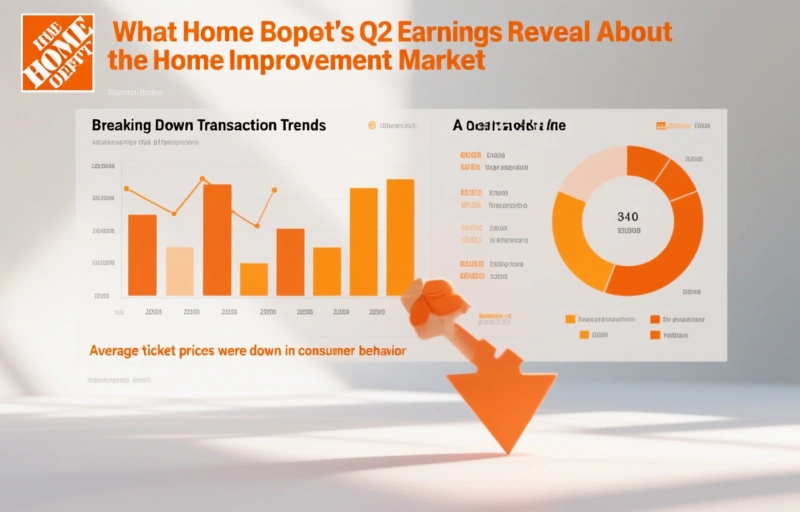
A closer look at the transaction data reveals a split personality in consumer behavior. Average ticket prices were down, which aligns with the shift toward smaller projects. But transaction volume held relatively steady.
Here's what that likely means:
- **Professional contractors (Pro customers) remain a bedrock.** Their spending was more resilient, suggesting ongoing demand for home repairs and smaller-scale renovations.
- **DIY homeowners are being cautious.** They're still shopping, but they're hunting for deals and sticking to essentials.
- **Seasonal categories performed well.** Think outdoor power equipment, garden supplies, and seasonal decor.
As one analyst noted during the call, 'The customer is telling us they still value their home as an investment, but they're approaching it with a more pragmatic mindset.'
### Inventory and Supply Chain Wins
One bright spot in the report was inventory management. After the chaos of the last few years, Home Depot seems to have found its footing again. In-stock levels are healthy, and supply chain disruptions have largely eased.
This matters because it means customers can find what they need when they walk in the store. That reliability builds trust and can drive repeat business, even when wallets are tighter.
### What This Means for the Rest of 2024
So, where does this leave us looking ahead? The company's outlook was cautious but not pessimistic. Management acknowledged the pressure from inflation and higher interest rates, which make big projects harder to finance.
Key takeaways for the coming months:
- Expect continued focus on value-oriented products and promotions.
- The Pro segment will likely remain a key growth driver.
- Innovation will center on convenience and project solutions, not just products.
The home improvement sector often acts as a bellwether for the broader economy. When people feel confident about their financial future, they invest in their homes. Right now, the signal is mixed—there's underlying demand, but it's being tempered by economic uncertainty.
In the end, Home Depot's Q2 results paint a picture of an industry—and a consumer—in transition. The days of runaway pandemic-fueled growth might be over, but that doesn't mean stagnation. It means adaptation. And how companies like Home Depot adapt will define the next chapter for the entire home improvement market.