Savings Fund Vital Vietnam Rail Line Connecting Key Cities
Anna Müller ·
Listen to this article~4 min
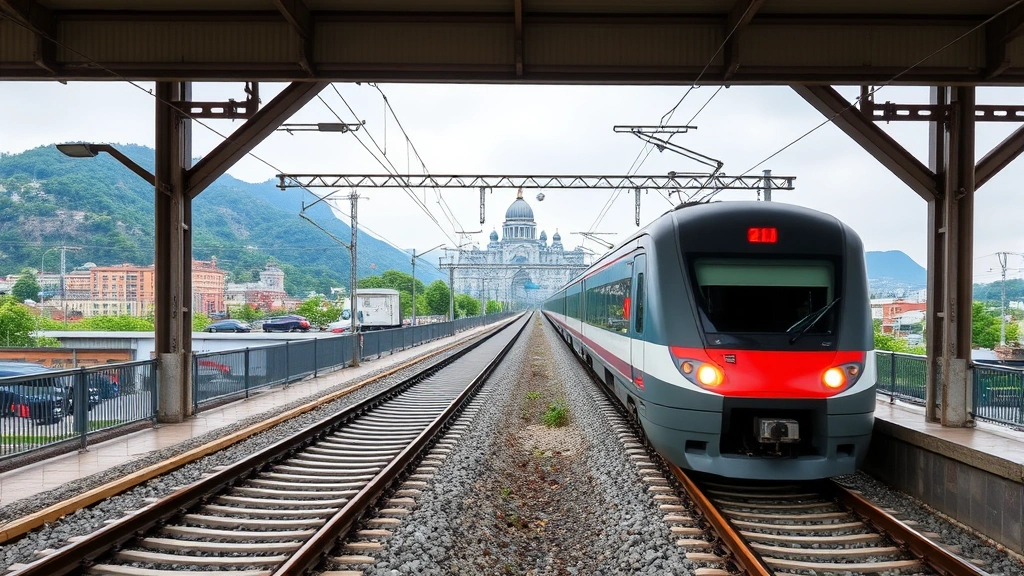
Vietnam is funding a major new railway connecting Lao Cai, Hanoi, and Hai Phong by redirecting savings from other projects. This 250-mile line aims to boost trade and regional connectivity through smart fiscal management.
You know how sometimes you hear about infrastructure projects and wonder where the money comes from? Well, here's an interesting case from Vietnam. Cost savings from other government projects are being redirected to fund a crucial new railway line. It's a smart move—using efficiency gains to build something that will benefit millions.
This isn't just any train track. We're talking about connecting Lao Cai, Hanoi, and Hai Phong. Think of it as linking a major border gateway, the capital, and a critical seaport. It's about creating an economic artery.
### Why This Railway Line Matters
This planned route covers a distance of roughly 250 miles. For context, that's like building a new rail line from Washington D.C. to New York City. The terrain isn't flat either, which makes the engineering and cost significant.
The goal is straightforward: boost trade, improve travel for citizens, and strengthen regional connections. When you have a reliable, fast link between a port city like Hai Phong and the capital, goods move faster. That means lower costs for businesses and potentially lower prices for consumers.
It's a long-term investment in Vietnam's growth. Infrastructure like this doesn't pay off overnight, but it lays the foundation for the next 50 years of development.
### How Funding Through Savings Works
So, how are they paying for it? Instead of raising taxes or taking on massive new debt, officials are tapping into savings from other completed projects. Think about it like your personal budget. If you come in under budget on your grocery bill one month, you might put that extra $50 toward a savings goal.
On a national scale, it's the same principle, just with millions of dollars. When construction projects finish under budget, or operational efficiencies are found, those saved funds get pooled. This financial maneuvering is a testament to careful planning.
- It reduces the need for external borrowing.
- It maximizes the value of every dollar (or Vietnamese Dong) spent.
- It demonstrates fiscal responsibility to citizens and international partners.
This approach is becoming more common globally. It's about being resourceful and making every penny count toward national priorities.
### The Bigger Picture for Regional Development
Let's zoom out for a second. Southeast Asia is developing at a rapid pace. New roads, ports, and railways are popping up everywhere. This Lao Cai-Hanoi-Hai Phong line is Vietnam's play to stay competitive and better integrate its own economy.
As one transportation analyst recently noted, "Modern rail infrastructure is more than steel and concrete; it's a catalyst for commerce and community." That really sums it up. This line will pull remote areas closer to economic centers, giving people more opportunities without having to permanently relocate.
It's also about resilience. Diversifying transport options between key cities takes pressure off crowded roads and gives shippers another choice. In an era of global supply chain hiccups, that redundancy is valuable.
### What We Can Learn
While this is a story about Vietnam, the strategy is universal. Repurposing savings for strategic investment is a lesson for any organization, big or small. It's about prioritizing what truly moves the needle for future success.
For professionals watching global infrastructure trends, this project is one to note. Its funding model could inspire similar approaches elsewhere. The success of this rail line, once built, will be measured not just in passenger numbers or freight tons, but in the broader economic uplift it creates for the communities along its route.
The takeaway? Sometimes the money for big dreams isn't about finding new sources, but about using what you already have more wisely. That's a powerful idea, whether you're planning a national railway or just your next career move.