Save Fuel and Money: Why Remote Work Should Be Standard
Anna Müller ·
Listen to this article~5 min
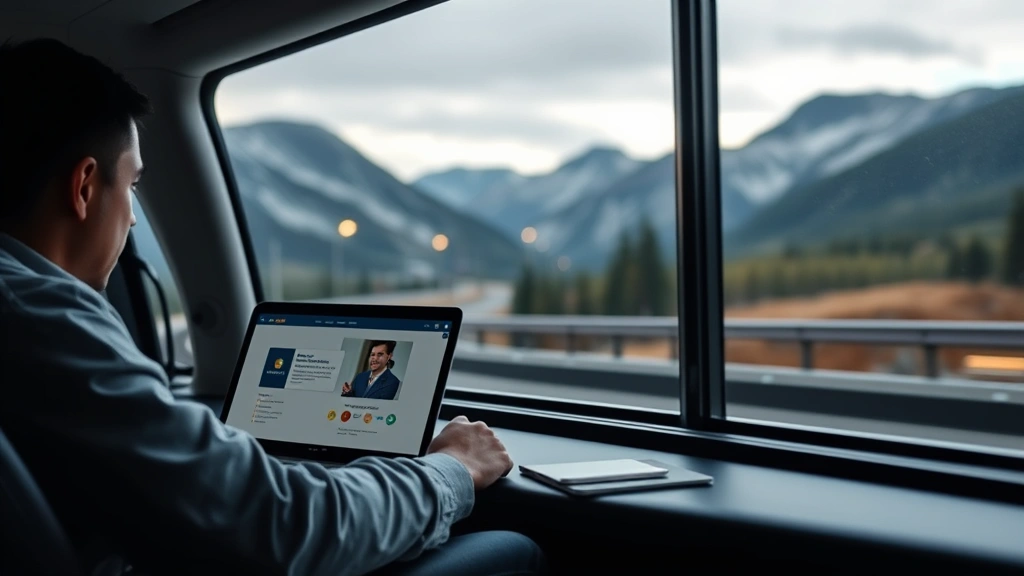
Remote work offers more than flexibility—it delivers real fuel savings and environmental benefits. Discover why reducing daily commutes should be standard practice where possible.
Let's talk about something that's been on my mind lately. You know that feeling when you're stuck in traffic, watching your gas gauge drop, and thinking 'there has to be a better way'? Well, there is. And it's simpler than we've been making it.
Remote work isn't just a pandemic trend or a tech industry perk anymore. It's becoming a practical solution to some very real problems we're all facing. The most obvious one? The cost of commuting.
### The Real Cost of Your Daily Drive
Think about your own commute for a second. How many miles do you drive each day? How many hours do you spend in your car each week? Now, let's put some numbers to it.
According to recent data, the average American commuter drives about 41 miles round trip each day. That adds up to over 10,000 miles a year just getting to and from work. With gas prices fluctuating but often hovering around $3.50 per gallon for regular unleaded, that's a significant chunk of change leaving your wallet every month.
But it's not just about the money. It's about time too. The average commute takes about 27 minutes each way. That's nearly an hour every day that you could be spending with family, exercising, or simply relaxing.
### Beyond the Pump: The Ripple Effects
When we talk about fuel savings from remote work, we're really just scratching the surface. The benefits ripple out in ways we don't always immediately see.
- Reduced traffic congestion means less wear and tear on our roads
- Fewer cars on the road during peak hours means better air quality
- Less demand for parking infrastructure in city centers
- More flexibility for families with childcare needs
- Better work-life balance for employees across industries
One transportation expert put it perfectly: 'Every car that stays parked is a small victory for our infrastructure, our environment, and our collective sanity.'
### Making the Shift Work for Everyone
Now, I know what you might be thinking. 'Not every job can be done remotely.' And you're absolutely right. Healthcare workers, manufacturing employees, and many service industry professionals need to be physically present.
But here's the thing—a significant portion of office jobs can be done effectively from home. We proved that during the pandemic. The technology exists, and many companies have already made the investment in remote work infrastructure.
### The Environmental Angle We Can't Ignore
This is where it gets really interesting. When we reduce our commuting, we're not just saving money. We're making a tangible impact on our carbon footprint.
The average passenger vehicle emits about 4.6 metric tons of carbon dioxide per year. Multiply that by the millions of commuters who could work remotely at least part of the time, and you start to see the potential impact. We're talking about measurable reductions in greenhouse gas emissions without massive infrastructure projects or technological breakthroughs.
### What Companies Can Do Right Now
If you're in a position to influence workplace policies, here are some practical steps to consider:
- Start with hybrid models—even two remote days per week makes a difference
- Invest in proper remote work technology and training
- Focus on results rather than hours logged at a desk
- Calculate and share the fuel savings with your team—it's motivating!
- Consider offering stipends for home office setups instead of maintaining expensive real estate
### The Personal Benefits Add Up Fast
Let me share a quick story. A friend of mine started working remotely three days a week last year. She calculated that she's saving about $180 per month on gas alone. That's over $2,000 a year! Plus, she's getting back about 10 hours each week that she used to spend commuting.
'It's not just about the money,' she told me. 'It's about having time to make a proper breakfast, take a walk at lunch, and actually be present for my kids after school.'
### Looking Ahead: A More Flexible Future
The conversation about remote work has evolved. It's no longer just about whether we can make it work technically. It's about whether we're willing to embrace the multiple benefits—financial, environmental, and personal—that come with reducing our reliance on daily commuting.
As fuel prices continue to fluctuate and environmental concerns grow, encouraging remote work where possible isn't just a nice perk. It's becoming a practical necessity. The savings at the pump are just the most visible part of a much larger equation that includes time, stress reduction, and environmental impact.
The bottom line? When we support remote work options, we're not just helping employees save on gas money. We're contributing to less congested roads, cleaner air, and more balanced lives. And in today's world, that's something worth encouraging as much as we possibly can.