Police Officer Verbally Assaulted During Traffic Stop
Anna Müller ·
Listen to this article~4 min
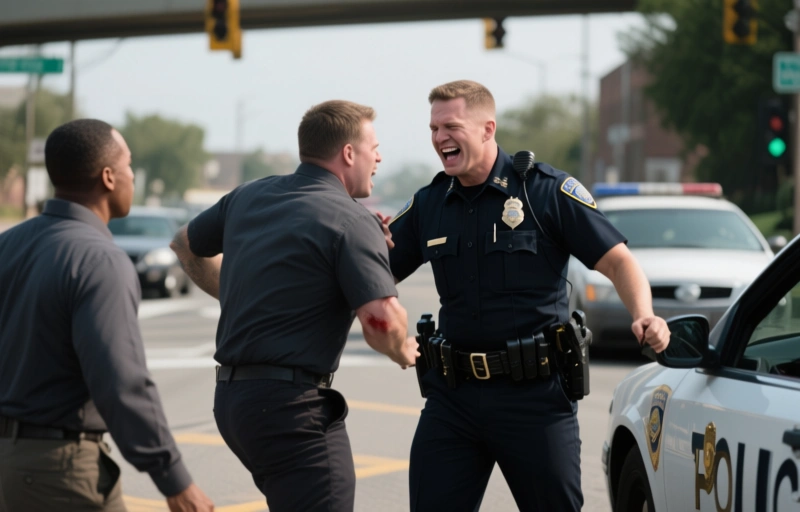
A recent traffic stop turned violent when a police officer was subjected to a barrage of abusive insults from a driver. This incident highlights the daily challenges and risks law enforcement faces, sparking a conversation about respect and safety during roadside interactions.
It's one of those moments that makes you shake your head. A routine traffic stop turns into a verbal assault, and suddenly, the focus shifts from a simple violation to something much darker. We're talking about the recent incident where a police officer was subjected to a torrent of abuse from a driver. It's a stark reminder of the challenges law enforcement faces daily, and honestly, it's worth discussing what this means for everyone on the road.
You know how it is. You see the lights in your rearview mirror, and your heart sinks a little. Maybe you were speeding, or perhaps a tail light is out. It's stressful, sure. But for the officer approaching your vehicle, it's a moment of unknown risk. They don't know who's in the car or what their state of mind might be. This incident highlights that tension in the most unpleasant way.
### The Incident and Its Immediate Impact
While specific details of the altercation are part of an ongoing review, the core of the event is clear: an officer was performing their duty when they were met with a barrage of violent insults. This wasn't just frustration; it was a targeted, personal attack. Situations like this escalate quickly, transforming a standard procedure into a volatile confrontation that no one should have to endure at work.
Think about your own job for a second. Now imagine someone screaming obscenities at you simply for doing what you're paid to do. It's jarring, and it takes a psychological toll. For police, this kind of hostility isn't just an insult—it's a direct challenge to their authority and safety, forcing them to switch from service mode to high-alert in a heartbeat.
### Why Respect Matters on the Road
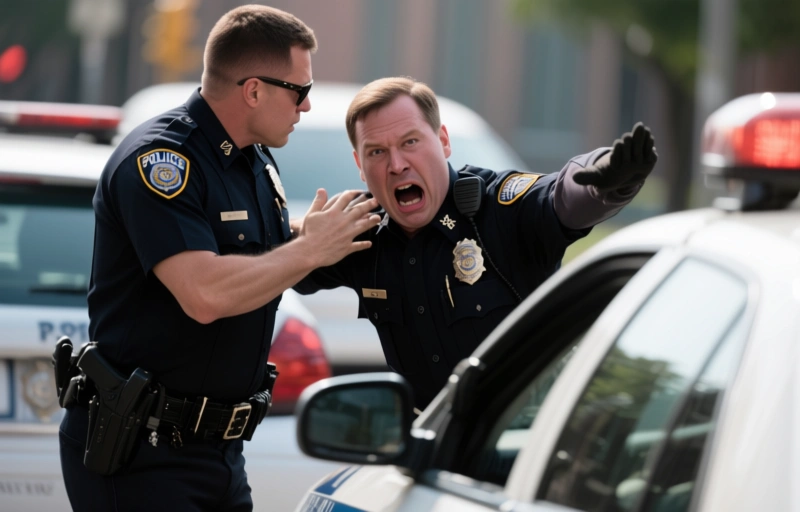
Let's be real for a moment. Traffic stops are inherently tense. But the way we choose to react in those few minutes matters immensely. Compliance and calm communication aren't just about avoiding a ticket; they're about ensuring everyone walks away safely. When respect breaks down, the situation becomes dangerous for the officer, the driver, and any bystanders.
Here's the thing most people don't consider: de-escalation is a two-way street. Officers are trained for it, but it requires cooperation. A few key things to remember if you're ever pulled over:
- Keep your hands visible on the steering wheel.
- Respond to instructions calmly and clearly.
- Save any disputes about the citation for court, not the roadside.
- Remember, the officer is just a person doing a difficult job.
Following these simple steps drastically reduces the chance of a misunderstanding spiraling into something worse. It's not about surrendering your rights; it's about choosing the safest path through an uncomfortable situation.
### The Bigger Picture for Community Safety
Incidents of verbal assault against officers aren't isolated. They feed into a larger narrative about public trust and safety. Every time an officer is berated or threatened, it chips away at the professional boundary that allows them to serve effectively. It also consumes time and resources that could be spent addressing other community needs.
As one veteran officer put it, "We sign up to protect, not to be punching bags—verbally or otherwise." This sentiment echoes through departments across the country. The goal is always to serve, but that becomes monumentally harder when met with outright hostility before a word is even exchanged.
So, what's the takeaway? It's simpler than you might think. Mutual respect isn't a lofty ideal; it's a practical necessity for public safety. Whether you agree with a ticket or not, the side of the road is never the place for a heated debate. Let's keep the dialogue civil, for everyone's sake. After all, we all share the same roads and the same desire to get home safely at the end of the day.