Montreal Police Officer Faces Violent Verbal Assault During Traffic Stop
Anna Müller ·
Listen to this article~5 min
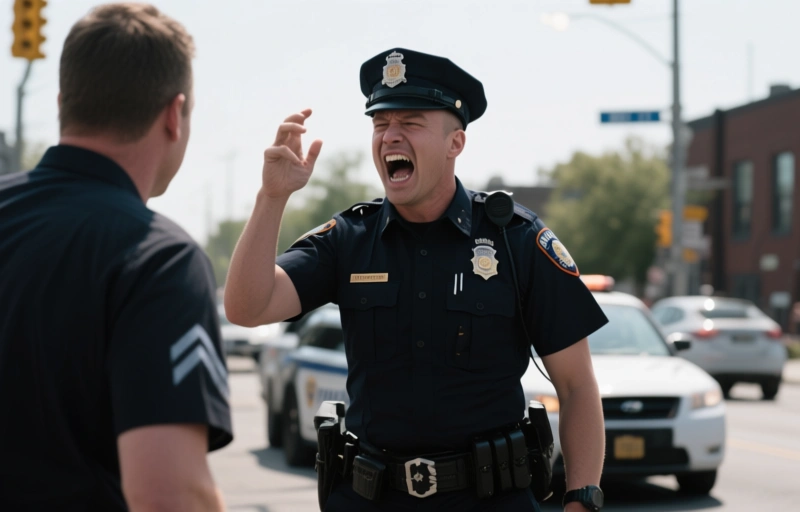
A Montreal police officer faced extreme verbal abuse during a routine traffic stop, highlighting the human cost of such encounters and what it means for police-community relations.
Let's talk about something that happened recently in Montreal. It's one of those moments that makes you pause and think about what's happening out there on the streets. A police officer with the Service de police de la Ville de Montréal (SPVM) was conducting a routine traffic stop when things took a really ugly turn.
We're talking about verbal violence here. The kind that hits you right in the gut. The driver unleashed a torrent of abuse that was caught on video - profanity, insults, the whole nine yards. It wasn't just frustration or anger. This was targeted, personal, and vicious.
### What Actually Happened During the Incident
From what we can gather, this wasn't a high-speed chase or a major crime scene. It was what should have been a standard interaction between law enforcement and a motorist. But instead of cooperation or even respectful disagreement, the officer faced what can only be described as verbal assault.
I've been thinking about this a lot. We all have bad days. Traffic can be frustrating, and getting pulled over isn't exactly anyone's idea of a good time. But there's a line, you know? A line between expressing frustration and crossing into territory that's just plain wrong.
### The Human Cost of Verbal Abuse
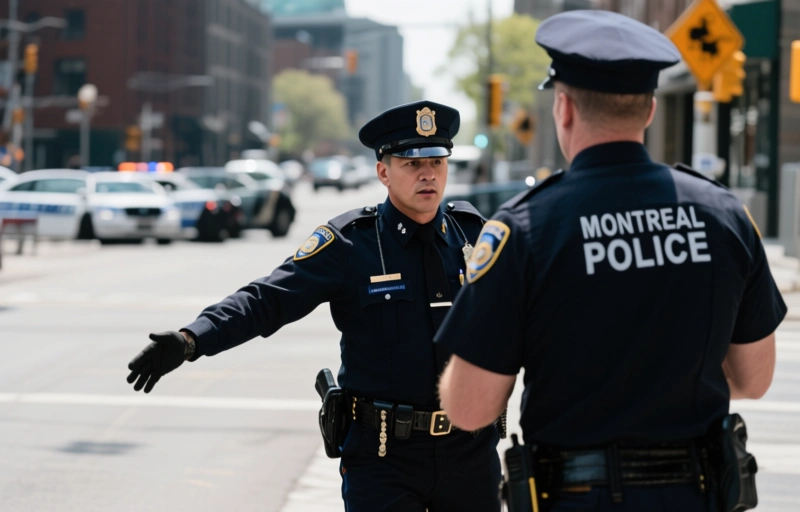
Here's what gets me - we often forget that police officers are people too. They have families, they have feelings, and they're just trying to do their jobs. When someone hurls insults like these, it's not just words. It's an attack on their dignity, their professionalism, and their basic humanity.
Think about it from their perspective for a second. They put on that uniform every day knowing they might face physical danger. But this kind of verbal violence? It chips away at you in a different way. It's psychological, it's emotional, and it leaves marks that don't show up on an injury report.
### Why These Moments Matter for All of Us
This isn't just about one officer in Montreal. It's about what we're willing to accept as a society. When we see these interactions play out, we're seeing a breakdown in basic respect. And that should concern all of us, whether we're in law enforcement or just regular citizens going about our day.
I remember talking to a friend who's a teacher once. She said something that stuck with me: "Respect isn't something you earn in certain situations. It's something you give because it's the right thing to do." That applies here too.
### The Bigger Picture of Police-Community Relations
Let's be real for a minute. Police-community relations have been strained in many places. There are legitimate conversations happening about reform, accountability, and how we do public safety better. But incidents like this don't help anyone. They don't move those important conversations forward.
What they do is create more tension, more mistrust, and more distance between the people who are supposed to protect us and the communities they serve. And that's a problem for everyone involved.
### What We Can Learn From This
So where do we go from here? I think there are a few things worth considering:
- Basic respect costs nothing but means everything
- Verbal abuse has real consequences for everyone involved
- Our words shape our interactions more than we sometimes realize
- Professionalism under pressure is a skill we should value more
At the end of the day, we're all just trying to get through our days safely and with our dignity intact. That police officer in Montreal? She was just trying to do her job. The driver? He was having what was probably a bad day that turned into something much worse.
As one community leader put it recently: "How we treat each other in difficult moments says more about us than how we act when everything's going right."
That's the takeaway here for me. It's not about taking sides or pointing fingers. It's about recognizing that our interactions matter. They shape our communities, they affect real people, and they create the world we all have to live in together.
Maybe next time any of us feels that surge of frustration - whether we're dealing with law enforcement, a customer service rep, or just someone having a rough day - we can take a breath. Remember there's a human being on the other side of that interaction. And choose our words accordingly.