Microsoft Admits Windows 11 Updates Are Too Aggressive
Anna Müller ·
Listen to this article~4 min
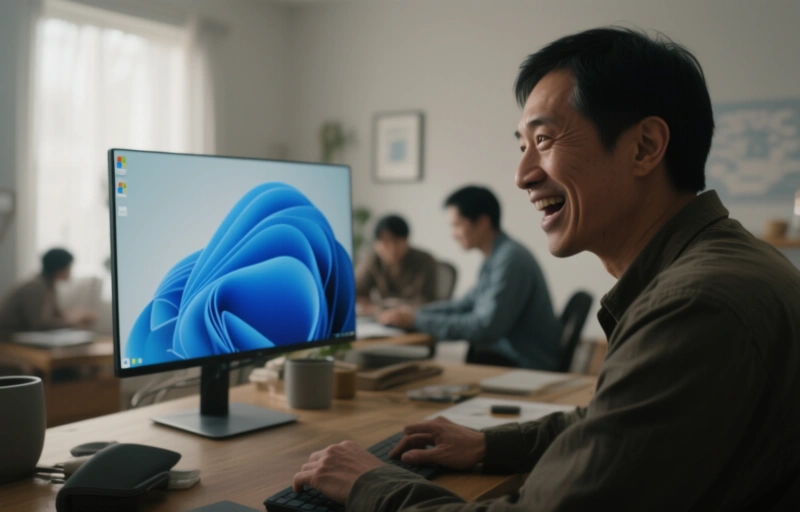
Microsoft finally acknowledges Windows 11 updates have been too intrusive and promises improvements. Learn what's changing and how it will affect your daily workflow with less disruptive update experiences.
You know that feeling when your computer decides it's time for an update right in the middle of something important? Yeah, we've all been there. Well, it turns out Microsoft has finally heard our collective sighs and is promising to dial it back a bit on Windows 11.
For months now, Windows 11 users have been dealing with updates that feel a bit... pushy. They pop up at inconvenient times, sometimes restart your system without enough warning, and generally act like they own the place. It's been frustrating, to say the least.
### What's Changing with Windows Updates?
Microsoft is finally acknowledging what users have been saying all along - the update process needs to be more respectful of your time and workflow. They're promising several key improvements that should make the whole experience less intrusive.
First off, they're working on better timing for those major updates. Instead of forcing them on you during your workday, the system will try to be smarter about when it installs things. Think of it like having a considerate roommate who doesn't vacuum while you're on an important call.
They're also improving the notifications and giving you more control. You'll get clearer warnings about when updates are coming, and more options to postpone them if now really isn't a good time. It's about putting you back in the driver's seat.
### Why This Matters for Your Daily Work
If you're like most professionals, your computer isn't just a tool - it's your office, your communication hub, and sometimes your sanity preserver. When updates disrupt that flow, it's more than just an annoyance. It can mean:
- Lost productivity when you're in the middle of important tasks
- Interrupted video calls or presentations
- Potential data loss if you hadn't saved recently
- General frustration that puts you in a bad mood for hours
What's interesting is how Microsoft got to this point. They've been collecting feedback through their Insider program and user reports, and the message has been clear: people want updates to work for them, not against them.
As one software developer put it recently, "Good technology should serve the user, not the other way around. Updates are important for security and features, but they shouldn't feel like a hostile takeover of your machine."
### What to Expect Moving Forward
So when will you start seeing these changes? Microsoft says they're rolling out improvements gradually over the coming months. Some changes you might notice include:
- More flexible scheduling options
- Better communication about what each update does
- Reduced frequency of minor updates that require restarts
- Smoother background processes that don't slow down your system
It's worth remembering that updates are still crucial. They patch security vulnerabilities, fix bugs, and sometimes add genuinely useful features. The goal here isn't to eliminate updates, but to make them less disruptive.
Think of it like maintenance on your car. You need oil changes and tire rotations, but you'd rather schedule them for Saturday morning than have your mechanic show up unannounced during your commute to work.
### The Bigger Picture
This shift in approach reflects a growing trend in tech - companies are starting to realize that user experience isn't just about flashy features. It's about respecting people's time and workflow. When software constantly interrupts you, it stops being helpful and starts being a hindrance.
For Windows 11 users, this acknowledgment from Microsoft is a welcome change. It shows they're listening to feedback and willing to adjust their approach. Will the changes be perfect right out of the gate? Probably not - these things rarely are. But it's a step in the right direction.
The bottom line is this: your computer should work for you, not the other way around. With these promised improvements to Windows Update, Microsoft is taking a small but important step toward making that a reality for Windows 11 users. Here's hoping the execution matches the promise.