January Retail Sales Jump 1.1%: What It Means for Shoppers
Anna Müller ·
Listen to this article~4 min
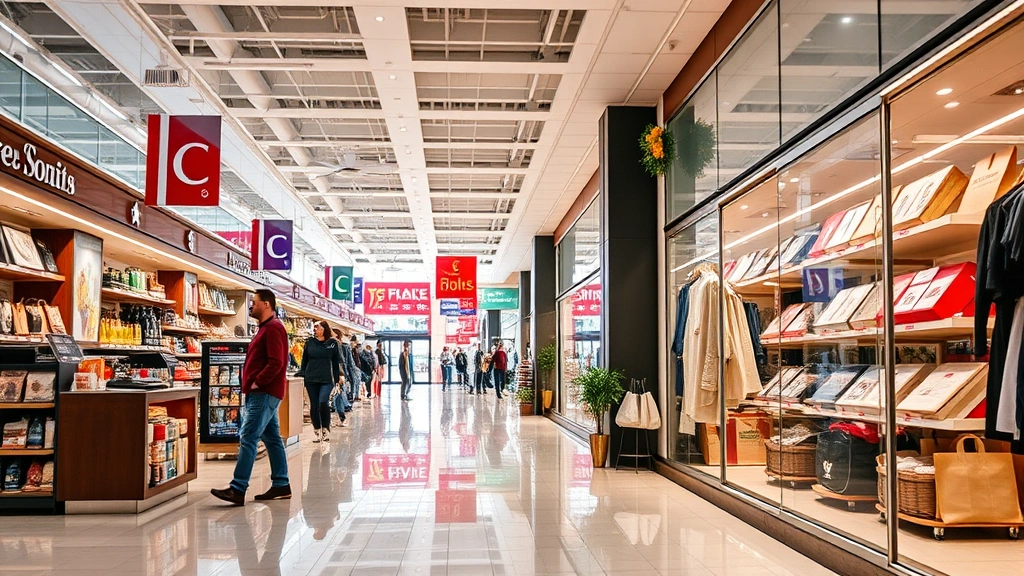
U.S. retail sales saw a notable 1.1% increase in January, signaling a potential boost in consumer confidence and spending. We break down what this means for the economy and your shopping habits.
So, you've probably heard the news—retail sales took a nice little jump in January. We're talking a solid 1.1% increase. That's not just a blip on the radar. It's a sign that people are opening their wallets again, and honestly, it tells us a lot about where the economy might be heading.
Let's break that down. A 1.1% month-over-month increase is pretty significant. It suggests consumer confidence is starting to perk up after what felt like a long period of everyone being a bit more cautious with their spending. When people feel good about their jobs and the future, they're more likely to hit the stores or click 'add to cart.'
### What's Driving This Spending?
It's the million-dollar question, right? Why now? Well, a few things could be at play here. First, inflation has been cooling off. Prices aren't skyrocketing like they were, which means your dollar stretches a bit further at the checkout. Second, wage growth has been steady for many folks. When you have a little extra in your paycheck, it's easier to justify that new pair of shoes or a weekend home improvement project.
We also can't ignore the seasonal factor. January often sees a bump from post-holiday sales and people using gift cards. But this increase feels a bit stronger than just that. It hints at a broader willingness to spend.
### The Bigger Economic Picture
This isn't just about shopping stats. Retail sales are a huge piece of the economic puzzle. They make up a massive chunk of consumer spending, which itself is the main engine of the U.S. economy. When retail sales are up, it generally points to a healthier economy. Businesses see more revenue, which can lead to more hiring and investment. It's a positive cycle.
Of course, it's not all sunshine. Some sectors are doing better than others. We might see stronger growth in online retail and certain discretionary categories, while essentials like groceries see more modest gains. The key is to watch the trends over the next few months to see if this momentum holds.
### What This Means for Your Wallet
As a shopper, this news is a double-edged sword. On one hand, a strong economy is good for job security. On the other, sustained spending can sometimes keep prices from falling further. Here's a quick list of what to keep an eye on:
- **Sales and Promotions:** Retailers feeling confident might pull back on deep discounts.
- **Inventory:** Popular items might sell out faster if demand stays high.
- **Interest Rates:** The Federal Reserve watches this data closely. Strong spending could influence their decisions on interest rates, which affects everything from credit card APRs to mortgage loans.
It's a classic case of watching the trends and planning your budget accordingly. Maybe it's a good time to use those rewards points or cash in on loyalty programs before any potential policy shifts.
One analyst put it well: 'Consumer resilience continues to surprise us. The January numbers aren't a fluke; they're a testament to the underlying strength of household balance sheets.' It's a reminder that despite all the headlines about economic worry, people are still finding ways to spend on what matters to them.
### Looking Ahead
So, what's next? All eyes will be on the February and March data. Was January a one-off, or the start of a trend? Economists will be slicing and dicing the numbers by category—looking at autos, furniture, clothing, and electronics. The story is still being written.
For now, a 1.1% rise is a welcome piece of positive news. It suggests the economic soft landing many hoped for might still be within reach. For businesses, it's a signal to maybe ramp up inventory. For consumers, it's a data point to consider when making those bigger purchasing decisions this spring.
Remember, economic data is a snapshot, not the whole movie. But this particular snapshot shows a consumer who's still very much in the game.