High-Speed Rail Innovation Saves Millions on Construction
Anna Müller ·
Listen to this article~3 min
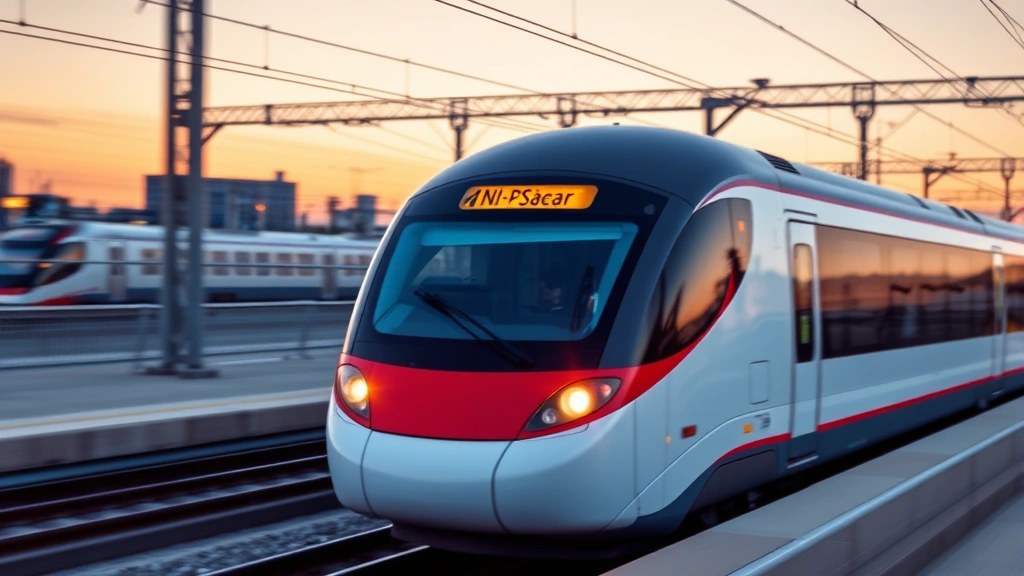
A breakthrough construction technique for high-speed rail projects is saving millions while reducing disruption. Learn how incremental launching works and why it matters for infrastructure.
You know how expensive infrastructure projects can be, right? We're talking billions of dollars, years of delays, and constant budget overruns. But what if there was a smarter way to build? A recent breakthrough in high-speed rail construction is proving just that—saving millions while getting the job done faster.
Let's talk about what's actually happening. Instead of traditional methods that require complete shutdowns or massive detours, engineers are using something called "incremental launching." It sounds technical, but the concept is surprisingly simple. They build sections of the track off-site, then slide them into place like pieces of a giant puzzle.
### How This Technique Actually Works
Imagine you're assembling a model train set, but on a massive scale. Crews construct bridge segments or track sections in a controlled environment away from the main construction zone. Once a section is ready, they use hydraulic jacks to push it forward along temporary supports until it connects perfectly with the existing structure.
This approach offers several game-changing advantages:
- **Massive cost savings** – By working in parallel, projects avoid expensive overtime and reduce weather-related delays
- **Improved safety** – Workers spend less time in dangerous live traffic or elevated work zones
- **Minimal disruption** – Trains can often keep running on adjacent tracks during construction
- **Better quality control** – Building in controlled environments means fewer defects and rework
### The Real-World Impact on Budgets
Here's where it gets impressive. Traditional high-speed rail construction methods can see cost overruns of 20-30% or more. This new approach is cutting those overruns dramatically. We're talking savings in the tens of millions of dollars on a single project. One European project reportedly saved over $50 million using these methods.
Think about what that means for taxpayers. That's money that can go toward additional rail lines, station improvements, or even lower ticket prices. As one project manager put it: "We're not just building tracks—we're building value."
### Why This Matters for American Infrastructure
You might be wondering why this matters for the United States. Well, we've got our own ambitious rail projects in the works, from California's high-speed rail to Northeast corridor improvements. These projects face the same challenges: tight budgets, tight schedules, and the need to minimize public disruption.
Adopting these innovative construction techniques could be exactly what we need to make our infrastructure dreams a reality. Instead of watching costs balloon and timelines stretch, we could see projects delivered on budget and ahead of schedule.
The bottom line? Smart construction isn't just about fancy technology—it's about rethinking how we approach problems. By building smarter, we're not just saving money today. We're creating a blueprint for how to tackle the massive infrastructure challenges facing our country. And that's something worth getting excited about.