Fuel Savings: Why Remote Work Should Be Encouraged
Anna Müller ·
Listen to this article~4 min
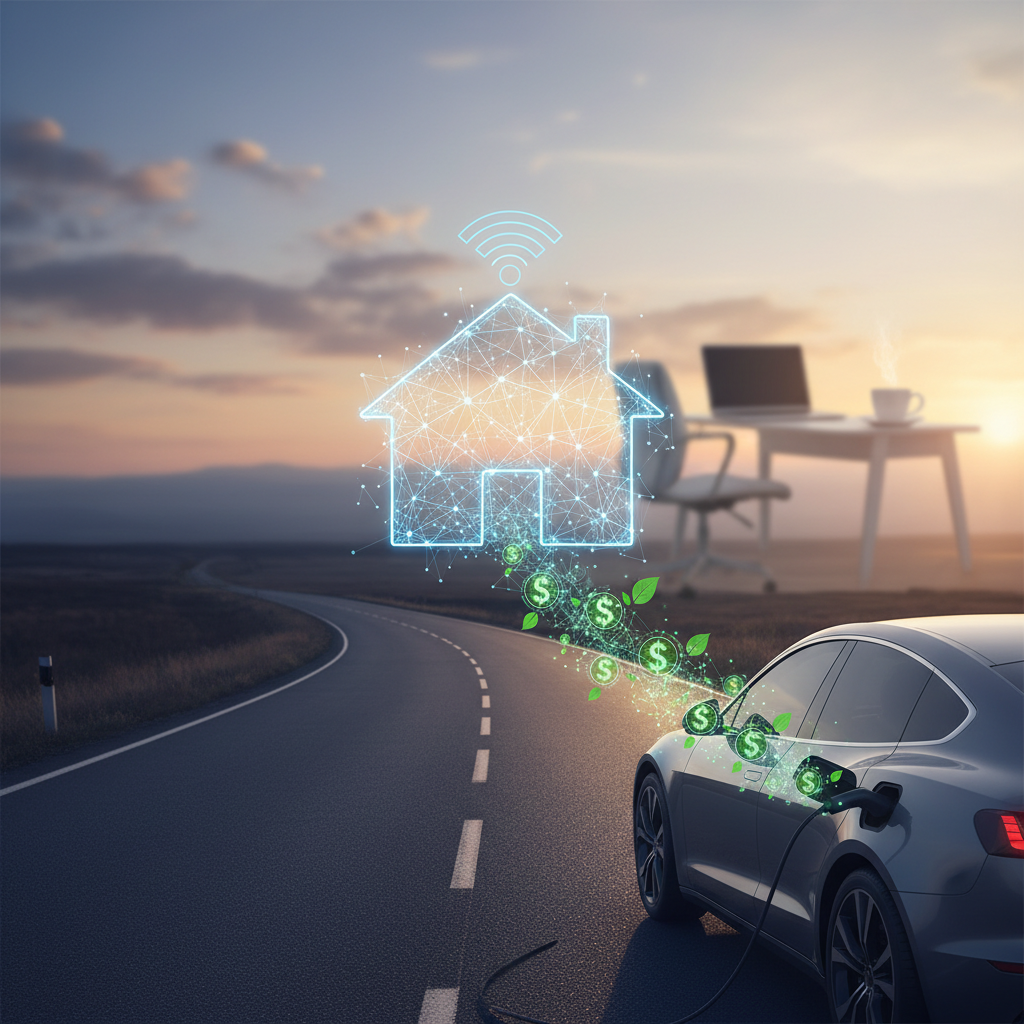
Remote work offers more than flexibility—it's a practical strategy for saving on fuel costs and reducing environmental impact. Discover how working from home can keep money in your pocket while benefiting your community.
Let's talk about something that affects nearly everyone who commutes: fuel costs. You know that sinking feeling when you pull into the gas station and watch the numbers climb? It's a real pain point, and it's one that remote work directly addresses.
Working from home isn't just about comfort or flexibility—it's a powerful tool for saving money and reducing our environmental footprint. When you eliminate the daily drive, you're not just saving time; you're keeping dollars in your pocket and reducing traffic congestion for everyone else.
### The Direct Impact on Your Wallet
Think about your own commute. How many miles do you drive each day? For the average American, it's about 41 miles round trip. That adds up fast. If your car gets 25 miles per gallon, you're burning through roughly 1.64 gallons of gas daily. At $3.50 per gallon, that's over $5.75 every single workday just in fuel.
Now multiply that by 260 working days in a year. You're looking at nearly $1,500 spent annually just on gasoline for commuting. And that's before we even consider:
- Wear and tear on your vehicle
- Oil changes and maintenance
- Parking fees in some cities
- The inevitable coffee stop on the way
### Beyond Personal Savings
The benefits extend far beyond your personal bank account. When significant portions of the workforce operate remotely, we see broader positive effects. Traffic congestion decreases, which means:
- Shorter commute times for essential workers who must travel
- Reduced stress for everyone on the road
- Lower emissions from idling in traffic
- Less wear on public infrastructure
As one transportation analyst noted, "The shift to remote work during recent years demonstrated measurable reductions in peak-hour traffic volumes, suggesting this could be a sustainable strategy for managing urban congestion."
### Making Remote Work Work
For remote work to be truly effective as a fuel-saving strategy, both employers and employees need to approach it thoughtfully. Here are some key considerations:
- **Infrastructure Investment**: Companies should provide the necessary tools—reliable laptops, secure VPN access, and collaboration software
- **Clear Communication Protocols**: Establishing when and how teams connect prevents isolation and maintains productivity
- **Hybrid Flexibility**: Not every job can be fully remote, but many can benefit from a hybrid model that reduces commuting days
- **Performance Metrics**: Focus on output and results rather than hours logged at a desk
### The Environmental Equation
Let's not forget the environmental angle. Transportation accounts for about 29% of greenhouse gas emissions in the United States. Personal vehicles are a major contributor. By reducing the number of cars on the road through remote work policies, we're not just saving money—we're contributing to cleaner air and a healthier planet.
The math is simple: fewer commutes equals less fuel burned equals lower emissions. It's a straightforward equation with benefits that ripple outward from your wallet to your community to the global environment.
### Looking Forward
The conversation about remote work often centers on productivity or work-life balance, and those are important. But we should also recognize it as a practical strategy for managing household expenses and reducing our collective environmental impact. Encouraging remote work where feasible isn't just a perk—it's a sensible approach to some of the challenges we face in our daily lives and in our communities.
What would you do with an extra $1,500 each year? How would you spend the hour or more you save daily by not commuting? These aren't hypothetical questions—they're the real benefits that come from rethinking where and how we work.