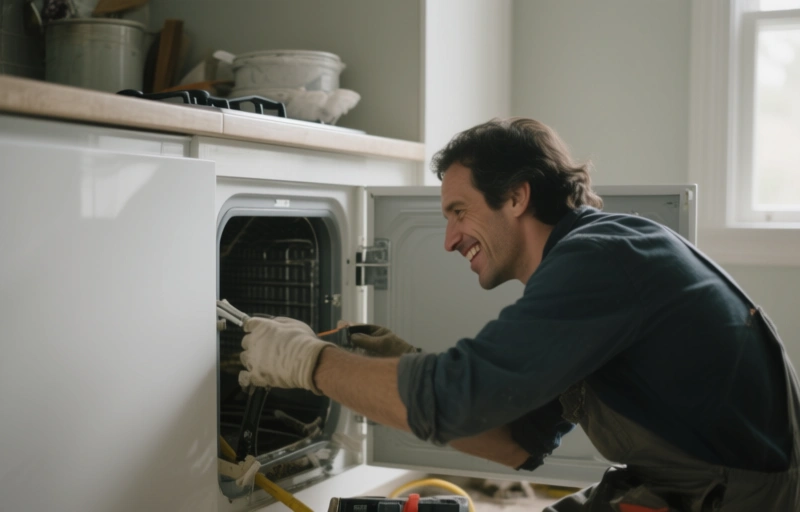
Learn how to fix common home appliance problems using online guides and DIY resources. Save money on repair costs with simple steps and safety tips.
Your dishwasher stops mid-cycle, the fridge is making weird noises, or the dryer just won't heat up. Before you call a repair pro and drop hundreds of dollars, take a deep breath. The internet is packed with resources that can help you fix common appliance issues yourself. With a little patience and the right guidance, you might save both time and money.
### Why DIY Appliance Repair Makes Sense
Let's face it: hiring a technician for a simple fix can cost anywhere from $100 to $300 just for the service call, plus parts. Many modern appliances are designed with modular components that are surprisingly easy to swap out. A YouTube video or a step-by-step guide can walk you through replacing a faulty thermostat or cleaning a clogged drain pump. You don't need to be a mechanic—just willing to learn.
### What You'll Need to Get Started
Before you dive in, gather a few basic tools. You probably already own most of these:
- A multimeter to test electrical continuity
- Screwdrivers (both Phillips and flathead)
- A nut driver or socket set
- A flashlight and maybe a headlamp
- Your appliance's model number (usually on a sticker inside the door or on the back)
Having the model number handy is crucial. It helps you find the exact repair guide and the right replacement parts. Without it, you could end up with the wrong component.
### Where to Find Reliable Repair Guides
Start with general search engines, but be specific. Instead of searching "fix washing machine," try "Whirlpool washing machine error code F21" or "LG dryer not heating model DLE3170W." This narrows things down fast.
Forums like Reddit's r/appliancerepair or specialized sites like Repair Clinic offer community-driven advice. Just remember to take user tips with a grain of salt—some are experts, others are guessing. Stick to guides that show clear steps and include safety warnings.
### Safety First: A Few Ground Rules
Working on appliances involves electricity, water, and sometimes gas. Always unplug the appliance before opening it up. If you're dealing with a gas stove or dryer, shut off the gas supply first. And never work on an appliance if you feel unsure about what you're doing. A mistake could cause a fire, a flood, or an electric shock.
> "The most important tool in any DIY repair is your common sense. If something feels wrong, stop and call a professional."
### When to Call It Quits
Some repairs just aren't worth the hassle. If your appliance is more than 10 years old and needs a major part (like a compressor or a control board), replacement might be cheaper. Also, if you open up the machine and see burned wires or a melted plug, that's a sign of a serious issue. Don't risk it—bring in a pro.
### Final Thoughts
The internet has turned appliance repair from a black art into a learnable skill. With the right online guide, a few tools, and a cautious approach, you can fix many common problems yourself. Next time your oven acts up or your ice maker stops working, give DIY a shot. You might surprise yourself.
Remember: every fix you do yourself is a small victory. And it leaves more money in your pocket for things that really matter.