Canadian Dollar Weakens: Daily Update & Impact for US…
Anna Müller ·
Listen to this article~4 min

The Canadian dollar is weakening against the US dollar. This daily update explains what it means for American shoppers and travelers, offering practical tips to make your money go further when buying from Canada.
So, you've probably heard the chatter. The Canadian dollar isn't having its best week. It's been sliding, and if you're in the US, that's actually creating some interesting opportunities. Let's talk about what's happening and why you might want to pay attention.
It's not just a random blip on the radar. Currency values are like a constant, global conversation. Right now, the US dollar is speaking a bit louder against its northern neighbor. This shift happens for a bunch of reasons—think interest rate decisions from the Bank of Canada, global oil prices (a big deal for Canada's economy), or broader market sentiment. When the loonie weakens, the exchange rate changes. Suddenly, your US dollar buys a little more Canadian currency than it did before.
### What This Means for Your Wallet
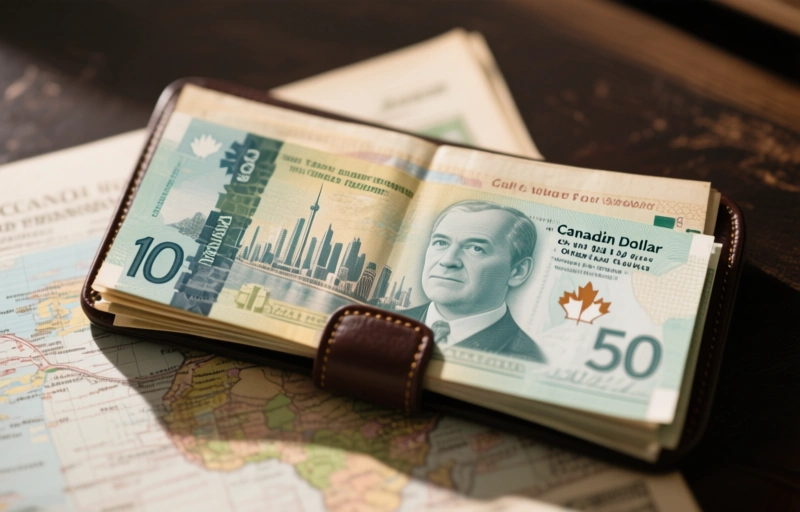
This is where it gets practical. A weaker Canadian dollar directly affects cross-border shopping and travel. If you've been eyeing a trip to Vancouver or Toronto, your budget might stretch further. Those hotel rooms priced in Canadian dollars? They just got a bit cheaper when you convert your US funds. The same goes for online shopping from Canadian retailers. You might find that the final price in USD at checkout is lower than you expected.
Here’s a quick example to make it real. Let's say a nice pair of boots from a Canadian brand is listed at $200 CAD. A few weeks ago, that might have converted to about $150 USD. With a weaker loonie, that same $200 CAD could now be closer to $145 USD. It's not a massive windfall, but it's a tangible saving that adds up, especially on bigger purchases.
### Smart Moves for Savvy Shoppers
If you're thinking about making a purchase or booking travel that involves Canadian dollars, timing can help. Keeping an eye on the daily exchange rate is a good habit. You don't need to obsess over it, but a quick check before you confirm a purchase can ensure you're getting the best possible deal with the current rate.
Consider these tips:
- **Monitor Before You Buy**: Check a reliable currency converter for the live USD to CAD rate.
- **Look for Direct USD Pricing**: Some Canadian sites offer the option to check out in USD, which can sometimes lock in a favorable rate.
- **Beware of Dynamic Currency Conversion**: If you're using a credit card in Canada, you might be asked if you want to pay in USD. Often, it's better to decline and let your card issuer do the conversion, as their rates are usually more competitive.
As one financial analyst put it, "Currency fluctuations are a reminder that borders are more economic than geographic for the modern consumer."
### Looking Beyond the Immediate Dip
It's important to remember that currency markets are volatile. Today's dip could be tomorrow's rebound. The key isn't to try and time the market perfectly—that's a game for experts. Instead, use the information to make more informed decisions. If you have a planned expense in Canadian dollars, a period of loonie weakness is a sensible time to proceed. It's a small edge, but in personal finance, those edges matter.
Think of it this way: you're not just buying a product or booking a hotel. You're engaging in a tiny, personal act of foreign exchange. Understanding the basic dynamics puts you in the driver's seat. So, the next time you see a headline about the Canadian dollar slipping, don't just scroll past. See it as a potential signal—a little nudge that it might be a good day to finally book that weekend in Montreal or order from that artisan shop in Quebec you've been admiring. The world's a big place, and sometimes, the numbers align to make it a little more affordable.