Canadian Dollar Drops: Daily CAD Update & Impact for US…
Anna Müller ·
Listen to this article~4 min
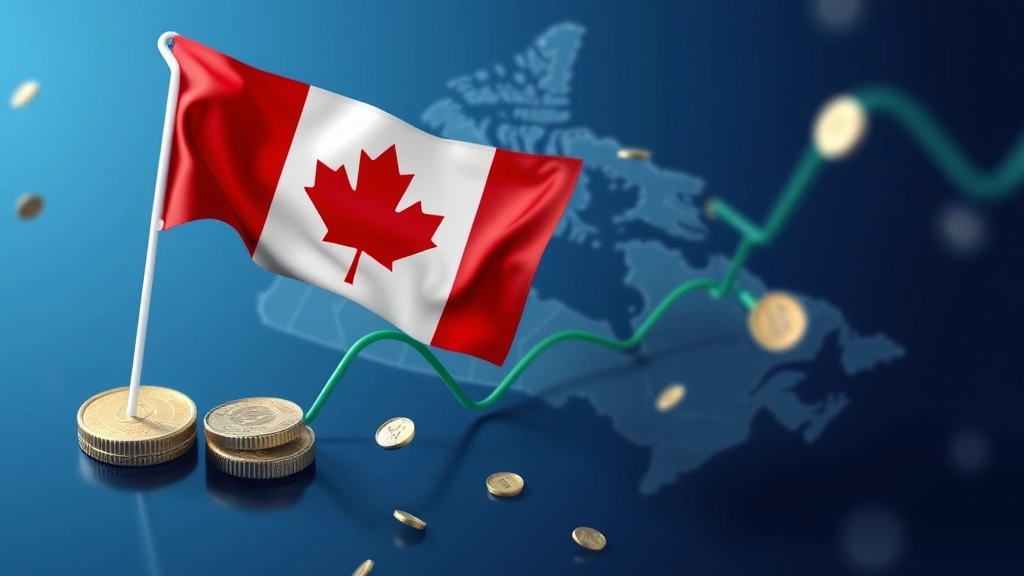
The Canadian dollar's recent drop means more buying power for the US dollar. Learn what this daily CAD fluctuation means for your cross-border shopping, travel, and business expenses.
Hey there. So you've probably heard the chatter about the Canadian dollar taking a dip lately. It's one of those financial shifts that doesn't just stay on the trading floor—it ripples out and touches real life, especially if you're in the US and thinking about cross-border shopping or business.
Let's break it down in simple terms, the way you'd explain it to a friend. When the Canadian dollar (CAD) loses value against the US dollar (USD), your American greenback suddenly has more buying power up north. It's like everything in Canada just went on sale for you.
### What This Means for Your Wallet
Think about it. That online purchase from a Canadian retailer, the vacation to Vancouver or Toronto you've been eyeing, or even services billed in CAD—they could all cost you less in real terms. If you were budgeting $1,000 USD for something, a weaker Canadian dollar might mean you only need to spend $950 to get the same thing. That's money back in your pocket.
But it's not just about spontaneous online shopping. This shift affects professionals and businesses too. If your company sources materials or services from Canada, procurement costs could drop. Freelancers or consultants paid in CAD might see their earnings translate to fewer USD. It's a double-edged sword that requires a bit of attention.
- **For Shoppers:** Canadian e-commerce sites become more attractive. Keep an eye on exchange rates before checkout.
- **For Travelers:** Your trip budget stretches further for hotels, meals, and activities priced in CAD.
- **For Businesses:** Review contracts and supplier agreements. A favorable rate could mean cost savings or require renegotiation.
- **For Investors:** Currency fluctuations can impact returns on Canadian assets.
### Navigating the Daily Fluctuations
Currency values don't stand still. They bounce around daily based on a cocktail of factors—interest rate decisions from the Bank of Canada and the Federal Reserve, global oil prices (a big deal for Canada's economy), trade data, and overall market sentiment. It's a lot to track.
You don't need to become a forex expert overnight. But having a basic awareness helps. A simple habit is to check a reliable financial news source once a week to see the general trend. Is the CAD continuing to slide, or is it stabilizing? That trend informs whether you should act now or wait.
As one financial analyst recently noted, 'In currency markets, patience and timing aren't just virtues—they're strategies.' Rushing a large transaction on a day of high volatility can cost you. Sometimes, setting up a rate alert for your target exchange rate is the smartest move.
### Making Smart Moves with Your Money
So, what's the practical takeaway? First, don't panic. Currency moves are normal. Second, if you have planned expenses in Canada, this dip might be your cue to move forward. Lock in those travel bookings or make that bulk purchase you've been considering.
For larger sums—think business payments or property—it might be worth consulting with a currency specialist to discuss tools like forward contracts, which can lock in a rate for a future date. It adds a layer of predictability in an unpredictable market.
At the end of the day, a shifting Canadian dollar is less about complex economics and more about opportunity. It's a reminder that the global market is connected, and a change elsewhere can create an advantage right here at home. Keep it on your radar, think a few steps ahead, and you might just find your dollars going further than you expected.