Avoid Deceptive Valentine's Day Deals: A Shopper's Guide
Anna Müller ·
Listen to this article~4 min
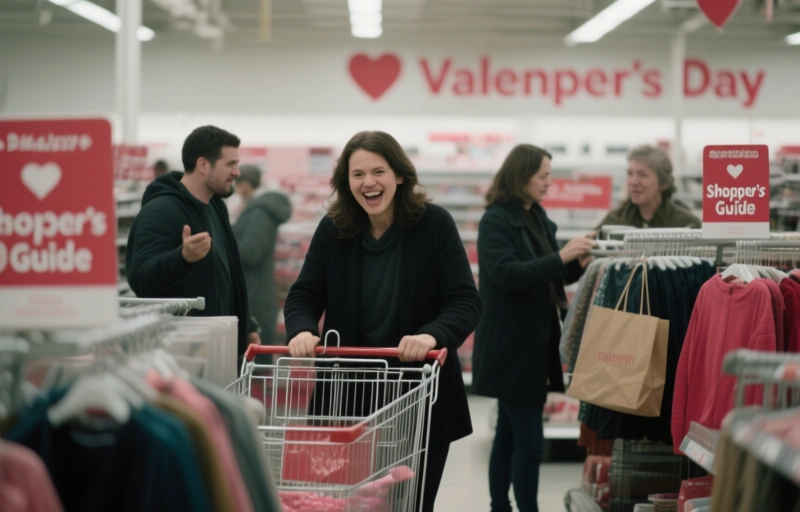
Valentine's Day brings special offers, but some can be deceptive. Learn how to spot misleading promotions, identify red flags, and shop smartly to find genuine deals for a stress-free celebration.
Valentine's Day is right around the corner. You're probably already seeing the ads and the special offers. It's exciting, right? But here's the thing – not all those deals are what they seem. Some can be downright misleading. Let's talk about how to spot the fakes and find the real gems, so you can focus on celebrating, not stressing.
### Why Valentine's Day is Prime Time for Tricky Marketing
Retailers know we're under pressure to make the day special. They also know we're often shopping last minute. That combination creates the perfect environment for what consumer protection agencies call 'deceptive commercial practices.' It's a fancy term for tricks that make a deal look better than it is.
Think about it. A restaurant might advertise a 'romantic dinner for two' at $99. But when you get the bill, you find out the advertised price didn't include drinks, tax, or tip. Suddenly, your $99 dinner is closer to $150. That's a classic bait-and-switch, and it happens more than you'd think.
### Red Flags to Watch For This Season
So, how do you protect yourself? Start by looking for these common warning signs.
- **The 'From' Price:** If an ad says 'Starting from $29.99,' that's often the price for the most basic item. The one you actually want is likely much higher.
- **Hidden Fees:** Always check the fine print for added costs like service charges, mandatory gratuities, or shipping fees that weren't upfront.
- **False Urgency:** 'Limited Time Offer!' 'Only 3 left!' These are pressure tactics. Take a breath and verify the deal is legitimate before clicking 'buy.'
- **Inflated 'Original' Prices:** Some stores artificially inflate an 'original' price to make a discount look huge. A quick search can tell you the item's real going rate.
As one consumer advocate recently noted, 'The best defense is a skeptical mind. If a deal seems too good to be true, it usually requires a second look.'
### Smart Shopping Strategies for Real Savings
Don't worry, you can still find amazing gifts and experiences. You just need a game plan. First, decide on a budget and stick to it. Impulse buys are where deceptive deals thrive. Next, do your research. Read reviews, not just on the company's site, but on independent platforms.
Compare prices across different sellers. Use price tracking tools if you're shopping online. And most importantly, read all the terms and conditions before you pay. It's boring, I know, but it's where the hidden clauses live.
If you're booking a special experience, call the venue directly. Ask specific questions: 'Is this the total price per person, including all taxes and fees?' Get the details in writing if you can, like in a confirmation email.
### What to Do If You Feel Misled
Mistakes happen. If you think you've been tricked by a misleading Valentine's promotion, you have options. Start by contacting the business directly. Be calm, be clear, and refer to the advertised offer. Often, they'll work with you to make it right.
If that doesn't work, you can file a complaint with the Better Business Bureau or your state's Attorney General's office. These reports matter. They help hold businesses accountable and protect other shoppers. Your experience can help someone else avoid the same trap.
At the end of the day, Valentine's Day is about connection. It's about showing someone you care. The best gift isn't the most expensive one; it's the thoughtful one given without the headache of a bad deal. Shop smart, trust your gut, and have a wonderful celebration.